
-
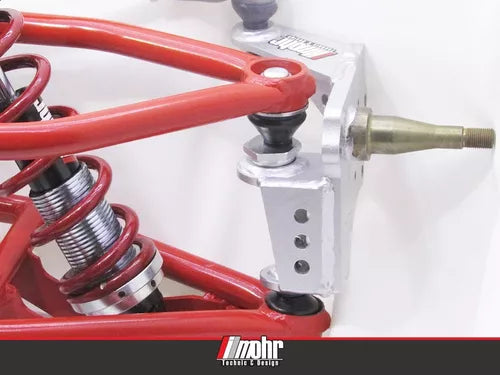
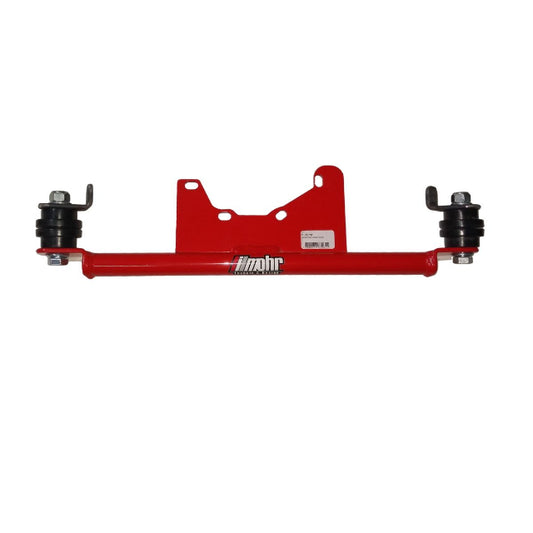
Double A Front Suspension Vw Beetle - Top Model Imohr AIR COOLED
Vendor:fuscaandbeetleRegular price $2,750.00 USDRegular priceUnit price per -
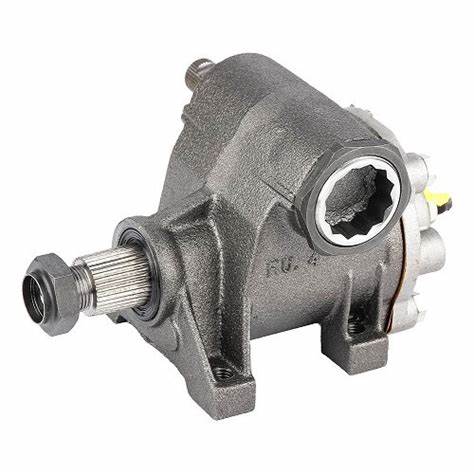
NEW STEERING BOX FOR VOLKSWAGEN BEETLE 1302
Vendor:fuscaandbeetleRegular price $305.00 USDRegular priceUnit price per -
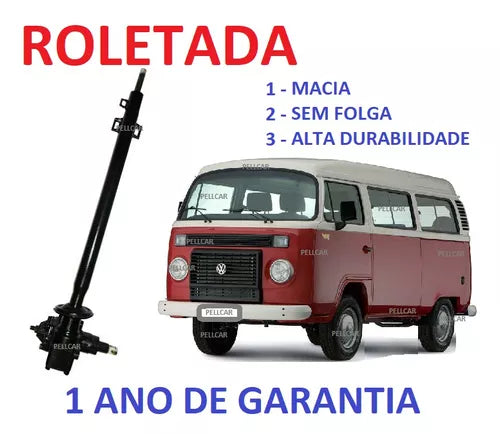
Kombi Roulette Semi Hidraulica Trw Steering Gear
Vendor:fuscaandbeetleRegular price $585.00 USDRegular priceUnit price per -
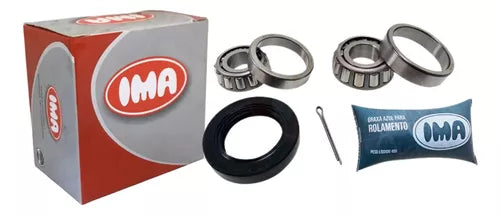
Front Wheel Bearing Kit 5 Holes Brasília Beetle Variant VW ARCOOLED LINE
Vendor:fuscaandbeetleRegular price $32.00 USDRegular priceUnit price per -
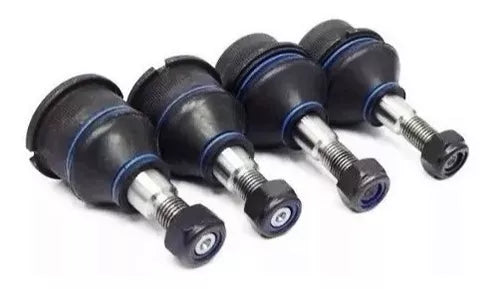
Suspension Pivot Game Beetle Brasilia Variant Nakata VW ARCOOLED LINE
Vendor:fuscaandbeetleRegular price $48.00 USDRegular priceUnit price per -
SEMI-Hydraulic Steering Kit for VW Beetle ONLY 1300 AIR COOLED
Vendor:fuscaandbeetleRegular price $811.00 USDRegular priceUnit price per -
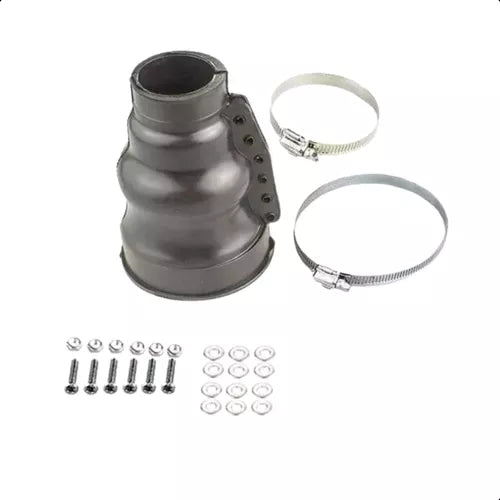
Pair of Gear Shift Boots for VW Arcoled Beetle Kombi Brasilia
Vendor:fuscaandbeetleRegular price $12.00 USDRegular priceUnit price per -
Support GEARBOX REINFORCEMENT Fits ALL AIR COOLED ENGINES
Vendor:fuscaandbeetleRegular price $188.00 USDRegular priceUnit price per -
MACHETE BUSHING KIT 2 SIDES BUGPACK EMPI LINE VW ARCOOLED
Vendor:fuscaandbeetleRegular price $90.00 USDRegular priceUnit price per -
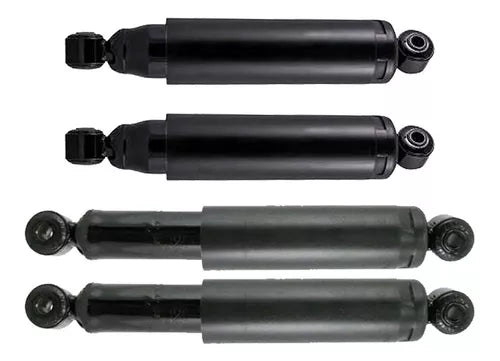
Front Rear Shock Absorber Kombi Clipper 1978 to 1996
Vendor:fuscaandbeetleRegular price $152.00 USDRegular priceUnit price per -
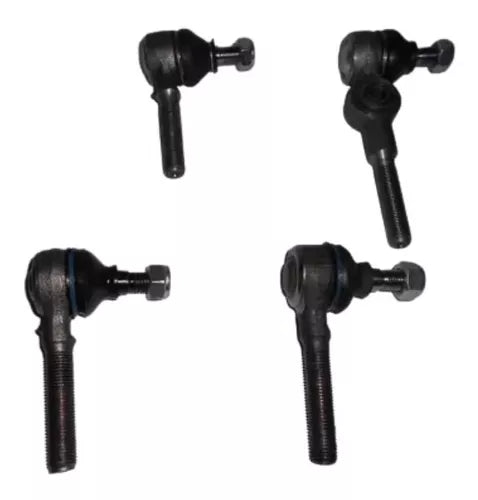
Nakata Beetle Steering Terminal Kit VW line ARCOOLED 1300
Vendor:fuscaandbeetleRegular price $63.00 USDRegular priceUnit price per -
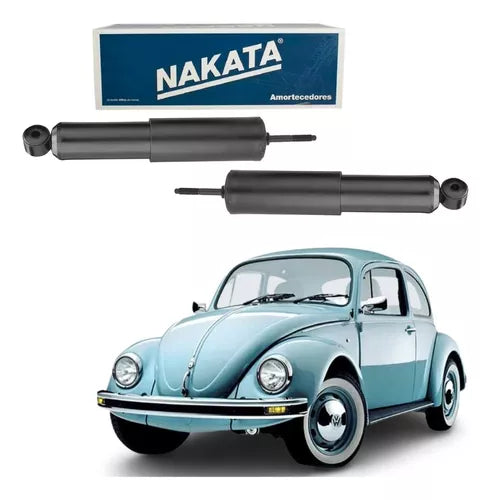
original VW 1300 Nakata shock absorber set AIR COOLED
Vendor:fuscaandbeetleRegular price $187.00 USDRegular priceUnit price per -
Castor Suspension Kit to adapt to VW, Beetle, Beetle
Vendor:fuscaandbeetleRegular price $1,534.00 USDRegular priceUnit price per -
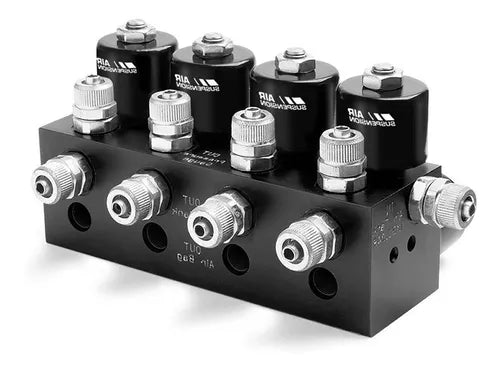
Super Black 8mm Air Suspension Kit VW Beetle Beetle
Vendor:fuscaandbeetleRegular price $1,312.00 USDRegular priceUnit price per -
REAR SUSPENSION STOP (PAIR) BEETLE BRASILIA
Vendor:fuscaandbeetleRegular price $14.00 USDRegular priceUnit price per -
Beetle Handbrake Rubber “Sapo” FITS ALL BUGS MODELS
Vendor:fuscaandbeetleRegular price $22.00 USDRegular priceUnit price per
















Collection: VW AR-COOLED automotive suspension
Evolution of the Volkswagen Beetle in Brazil
Starting in 1950, the "Beetle" began to be imported into the Brazil . On September 11, 1950, 30 Volkswagens landed at the port of Santos and remained there on display. The success was immediate; the vehicles, valued at 20,000 cruzeiros, were sold for the extraordinary price of 60,000 cruzeiros each. The imported model was the well-known "Split Window," with a rear window divided in two, the Export model (there was also the simpler Standard model, never brought to Brazil).
- 1951 — Getúlio Vargas creates the CDI (Industrial Development Commission), and a commission visits the USA in search of car manufacturers to establish themselves in Brazil in exchange for tax incentives and a guarantee of profit remittances to the parent companies. Chrysler, represented here by Brasmotor (still existing today, under the name...), is one such company. Brastemp shows interest. The assembly of the Volkswagen Beetle and Kombi begins in Brazil by this company.
- 1952: The Getúlio Vargas government, through CEXIM Notice 288 (August 1952), prohibits the importation of auto parts to encourage national production. Volkswagen now features a gearbox with synchronized 2nd, 3rd, and 4th gears.
- 1953: The Government issues CEXIM Notice 311 (April 1953) prohibiting the importation of pre-assembled vehicles. Volkswagen establishes itself in the neighborhood of Ipiranga , in São Paulo/SP, takes over the assembly of the vehicle. Due to the new law, the Beetle begins to be imported completely disassembled in boxes, called "CKD" kits ("Completely Knocked Down"). The model produced was already the one with a single, oval rear window.

- 1954: 1200 cc engine with a compression ratio of 5.8:1 and 30 hp
- 1955: Doors without a crease on the inner panel. Exhaust with 2 chrome tips.
- 1957: New brake wheel cylinder
- 1958: In the 1958 German model, a rectangular rear window was introduced, however the 1958 Brazilian model was still manufactured with the old roof and oval rear window. New compression ratio 6.6:1, now with 36 hp.
- 1959: The Beetle officially began production in the country with 54% of its parts being locally sourced. Among the new features were a new cup-shaped steering wheel; exterior door handles gained push-button operation, a rubberized sun visor, and a 160-watt dynamo. In addition to the traditional white-ice gray interior pattern, other monochromatic patterns became optional: pastel blue, turquoise blue, beryl green, and Havana beige. The rear window increased in size and became rectangular from this model onwards.
- In 1961, the Beetle received a new gearbox, with new gear ratios and a synchronized 1st gear. It also featured a new differential ratio (7x31 crown and pinion) and the dashboard gained a safety handle for the passenger.


- In 1962, the "Beetle" began to have a national chassis, headlights with an asymmetrical beam (the slead-beam headlight was discontinued), coat hooks on the bumpers; new two-tone taillights (a version that lasted on standard models until 1983). B2-092630 (12/62) — tilting side windows; pneumatic windshield washer reservoir, attached to the spare tire.
- In 1963 it gained square front seats with electronic stitching; a new armrest, a plastic brake fluid reservoir, and a steering damper. 12/63 — fuel pump with filter
- 1964: Chassis B4-140.230 — new door hinge with direct lubrication on the pin (with protective cap). Chassis B4-142.239 (01/64) — New, lower fuel tank, allowing for better luggage accommodation; new spare tire compartment; windshield washer now attached directly to the spare tire compartment; a single fuse box on the dashboard (accessible from the trunk) with 7 fuses; new colors and seat with a central "pajama" fabric strip. Chassis B4.167.963 (06/64) — door opening limiter with sealing rubber. Chassis B4-188.293 — larger license plate light. Chassis B4-190.292 (11/64) — "short smile" front turn signals; turn signal relay fixed by screw. Chassis B4-190.501 (11/64) — Steering wheel lock and ignition key combined in the same piece. December 1, 1964 — new curved "hunchback" front seats with 75% "pajama" fabric trim; one-piece headliner; Launch of the Beetle with a sunroof, which became known as the "Cornowagen". The accessory was quickly rejected, and many owners were bothered by the nickname (rumored to have been given to the car by an executive at the company). Ford ) [ citation needed ] They ordered the roof to be closed; Steering rod and steering terminals with permanent lubrication.
- 1965: 02/65 — New brake light switch. 03/65 — Standardized battery size and its fastening strap. November 9, 1965, engine B311661 onwards, the bushing of the 4th main bearing is mounted inverted.
- 1966: 04/66 — VW loses its hood emblem. In that year, Volkswagen took control of Vemag ceased operations the following year. In October 1966, as a 1967 model, the Beetle gained a 20% larger rear window and later windshield wipers (new arms and blades) positioned on the driver's side. These later models still had a 1200cc engine and 6-volt electrical system, a rear hatch with a rotating handle (and a rear skirt with an "H" design).
- 1967: Volkswagen launched a 1300 cc engine with 46 hp to replace the old 1200 cc engine with 36 hp. There was a considerable change throughout the interior, with the ice-white upholstery, with "pajama" fabric and ice and light gray sides of the 1966 model, being replaced by black upholstery and sides this year. In advertisements, the cars appeared with a tail of... tiger Emerging from the rear, alluding to greater power. New low-profile centrifugal distributor, air filter with larger intake nozzle; new sliding accelerator pedal; 15-inch wheels with windows for brake cooling; high beam switch moved to the turn signal lever. It is worth noting that it was during this period that the Beetle cemented Volkswagen's position in the national market, allowing the launch of several derivatives in the national market, such as the... VW 1600 , the TL, the Variant, the KarmannGhia, the TC, the SP1 and 2, the Variant II and the Brasilia .
- 1968: 12-volt electrical system. The Beetle gains a standard external rearview mirror, "arm" style. Gearbox with new synchronizers in 1st and 2nd gears and new bearings with plastic cages in the gearbox gears.
- 1969: "Paddle" rearview mirror. In retrospect, although many say that the Beetle from 1954 to 1969 only changed its rear window and windshield, during this period more than 2,500 changes were made to the engine and other parts of the car.


- 1970: The Beetle gains seat belts and a fire extinguisher. New pedal assembly with clutch and brake pedals further apart. In the 2nd series, changes to the front and rear: single-blade bumpers, new tricolor taillights (incorporating reverse lights), adoption of the grille on the rear lid, front hood handle with a safety button. The front and rear hoods were shortened to prevent them from getting caught on the bumper in case of a collision. The "Fuscão" (Big Beetle) was launched, a youthful model with refined finish and a 1500cc 52hp engine. The Beetle 1500 lasted from 1970 to 1975.
- 1971: Volkswagen is the first Brazilian automaker to conduct crash tests to evaluate the safety of the car body in the event of collisions.
- 1972: New turn signal switch; interior courtesy light moves from the pillar to the center of the driver's door.
05/72→ Beetle 1500: distributor with high cap similar to that of the 1200.
- 1973: New straight-profile headlights, standardized to meet legislation regarding beam height relative to the ground. Tilting side windows and a heater system become optional. On the 1500 Beetle, the rear hood grilles are enlarged.